
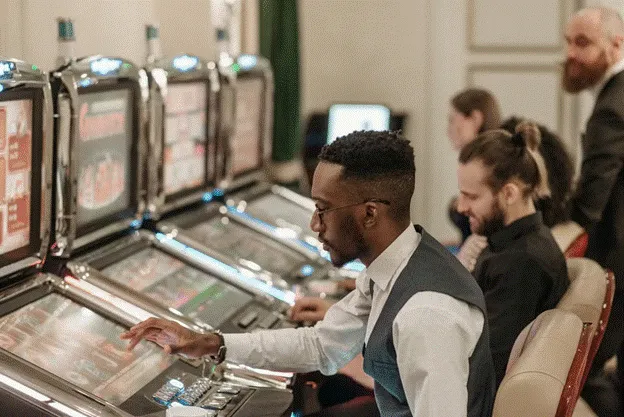
Organizations across industries face a common hurdle. They need people to stay engaged, whether those people are students in a classroom, employees on a sales floor, or customers browsing an app. Simple instructions and standard rewards often fail to spark lasting interest. Gamification software changes that dynamic by borrowing elements from games and applying them to real-world goals. Points accumulate for completed tasks. Badges mark milestones. Leaderboards spark friendly competition. Challenges break big objectives into exciting steps. The result feels less like work and more like progress worth celebrating.
Teams that adopt these systems report noticeable shifts in behavior. Participation rises. Completion rates climb. A sense of achievement spreads through the group. What makes this approach stand out in 2026 is its ability to deliver data-backed improvements across education, corporate training, sales performance, and customer loyalty programs.
The global gamification market reached an estimated 46.69 billion USD in 2026. Projections show it climbing to 308.85 billion USD by 2034, growing at a compound annual rate of 26.64 percent. North America held a leading share of roughly 43 percent in the prior year. These numbers reflect more than hype. They show real demand from companies and schools that need better ways to motivate people every day.
Explore specialized gamification platforms built for modern teams and request a demo.
Why Gamification Delivers Results?
Game mechanics tap into basic human drives. People enjoy visible progress. They respond to recognition. They push harder when they see peers moving ahead on a shared board. Research backs these patterns with clear numbers.
● Gamified experiences can lift user engagement by 100 to 150 percent compared with standard approaches.
● Around 90 percent of employees say gamification makes them feel more motivated at work.
● 72 percent of workers find gamified training more engaging than traditional sessions.
● Organizations using these methods report up to seven times higher profitability in some studies.
● Sales teams see performance jumps as high as 3.5 times when contests and real-time feedback enter the picture.
● Training completion and knowledge retention improve significantly, with some programs cutting training time in half while boosting results.
A quick look at recent data highlights the impact across areas.
| Metric | Reported Improvement | Context |
| User Engagement | 100–150% increase | General digital experiences |
| Employee Motivation | 90% of workers feel more motivated | Workplace programs |
| Training Engagement | 72% prefer gamified formats | Corporate learning |
| Profitability | Up to 7x higher | Organizations with mature programs |
| Sales Performance | Up to 3.5x increase | Teams using contests and dashboards |
| Knowledge Retention | Up to 45% higher | Education and training |
These gains appear when the software fits the audience and goals. A classroom tool built for quick quizzes will differ from a sales dashboard that tracks live KPIs. The right match turns good intentions into daily habits.
Core Features That Matter Most
Strong gamification software shares several building blocks. Points systems turn completed actions into visible scores. Badges and levels give users something to collect and show off. Leaderboards create light competition without turning every task into a battle. Challenges and missions break larger projects into smaller wins that feel achievable. Real-time analytics let managers or teachers spot who needs support and what drives results. Mobile access keeps participation easy for remote teams or students on the go. Custom rules and integrations with existing tools, such as CRMs or learning platforms, prevent extra work. Reward catalogs or recognition feeds add a social layer that reinforces positive behavior.
When these pieces work together, users return because the experience feels fair and fun rather than forced. Poorly designed systems that rely only on superficial points often lose steam after the first few weeks.
Best Gamification Software Options
| Rank | Brand | Description |
| 1 | Smartico | Smartico operates as a multi-channel real-time gamification and marketing loyalty platform that enables organizations to build personalized, game-like experiences across web, mobile, and other customer touchpoints. It combines core gamification mechanics such as missions, badges, points, levels, leaderboards, tournaments, incentives, and mini-games with advanced CRM automation and AI-driven personalization. Businesses use these tools to encourage consistent user behavior, boost retention, and increase lifetime value by rewarding meaningful actions in a fun and visible way. The platform supports seamless campaign creation for loyalty programs, player engagement in iGaming, and broader marketing initiatives. Real-time analytics help teams track participation and adjust experiences quickly. Its flexible structure allows brands to design journeys that feel rewarding rather than purely promotional, fostering stronger emotional connections with users. In 2026, Smartico continues to emphasize adaptive intelligence that tailors challenges and rewards to individual preferences, helping companies achieve higher engagement rates and more predictable business outcomes across diverse sectors. |
| 2 | Nectar | Nectar focuses on employee recognition and engagement by turning everyday contributions into visible achievements through peer shoutouts, custom challenges, and a rewards system that teams actually appreciate. The platform creates a social layer where colleagues celebrate successes in real time, building stronger team culture and morale. Managers design targeted challenges aligned with company priorities such as safety, collaboration, or innovation, while automated feeds keep participation high without heavy administration. Integrations with popular HR and communication tools allow recognition to flow naturally within existing workflows. Organizations report improved retention and a clearer picture of top performers because achievements become public and celebrated rather than buried in performance reviews. The system emphasizes meaningful recognition over simple point accumulation, helping employees feel seen and motivated to maintain high standards. In 2026, Nectar remains popular among mid-sized and enterprise teams seeking practical ways to reduce isolation in hybrid environments and reinforce positive behaviors through consistent, game-inspired feedback loops. |
| 3 | Plecto | Plecto transforms performance tracking into an engaging daily experience by displaying live KPI dashboards and leaderboards that teams can see at a glance. Sales professionals and operational staff monitor their numbers in real time, turning abstract targets into clear progress markers that spark friendly competition. Custom contests and automated recognition features keep motivation steady throughout the month rather than only at quarter end. The platform pulls data from multiple sources and presents it visually, so managers spend less time compiling reports and more time coaching. Teams often install large screens in offices or share digital versions during remote meetings to maintain shared focus. Because results update instantly, individuals adjust their efforts quickly and celebrate small wins along the way. In 2026, Plecto continues to serve organizations that want gamification tightly connected to measurable revenue and productivity goals, offering a straightforward way to make performance conversations more frequent and less formal. |
| 4 | Spinify | Spinify brings AI-powered motivation to sales and service teams by combining gamification elements with personalized coaching and dynamic contests. The platform analyzes performance data to suggest relevant challenges and recognize achievements that matter most to individual reps. Leaderboards and team competitions update automatically, creating daily reasons to stay focused and push toward targets. Managers appreciate the ability to design contests that align with current business priorities without manual setup each time. Integrations with major CRMs keep information flowing smoothly so reps never need to update progress in two places. The AI layer helps surface coaching opportunities early, turning potential performance dips into actionable conversations. In 2026, Spinify stands out for teams that want more than basic leaderboards; its adaptive features help maintain long-term engagement by varying rewards and challenges based on real behavior patterns rather than one-size-fits-all approaches. |
| 5 | Centrical | Centrical supports employee engagement and performance management, particularly in contact centers and customer-facing roles, by layering gamification over daily workflows. Agents earn recognition for quality interactions, efficiency, and skill development while managers gain clear visibility into team dynamics through dashboards and coaching tools. The platform turns routine metrics into game-like progress that feels fair and motivating rather than punitive. Personalized challenges help individuals focus on specific improvement areas while team competitions build camaraderie. Because it integrates with existing workforce management systems, adoption requires minimal extra effort from staff. Organizations use Centrical to reduce turnover and improve service consistency by making development feel rewarding and social. In 2026, the platform remains relevant for large teams that need scalable ways to keep remote and on-site employees aligned around shared goals while providing the frequent feedback modern workers expect. |
| 6 | Kahoot | Kahoot delivers interactive learning experiences that turn lessons, reviews, and training sessions into lively group competitions. Educators and corporate trainers launch quizzes that participants join instantly on their own devices, with music, timers, and instant feedback creating an energetic atmosphere. The format works equally well for quick knowledge checks in classrooms and longer review sessions in professional development programs. Detailed reports help facilitators identify which topics need more attention and which learners are ready to advance. Because sessions feel like games rather than tests, participation rates stay high even among groups that typically disengage from traditional lectures. Schools, universities, and companies use Kahoot to reinforce key concepts through repeated, low-stakes practice that builds confidence over time. In 2026, the platform continues evolving its library of ready-made content and collaboration features, making it a reliable choice for anyone seeking to increase attention and retention without requiring advanced technical skills from facilitators. |
| 7 | Qualifio | Qualifio enables brands to create interactive marketing campaigns and loyalty experiences that collect zero-party data while entertaining users. The platform supports quizzes, contests, polls, and gamified journeys that feel native to websites, social channels, and emails. Participants engage because the mechanics reward them with points, badges, or chances to win, while brands gain valuable insights for personalization. Compliance features help companies manage data responsibly across regions. Marketing teams launch campaigns quickly using templates and then refine them based on real-time participation metrics. The result is higher conversion rates and stronger customer relationships built on voluntary interaction rather than interruptive advertising. In 2026, Qualifio remains a strong option for organizations that want gamification to serve dual purposes: entertaining audiences and generating the clean, consented data needed for effective marketing and loyalty programs in a privacy-conscious environment. |
| 8 | Drimify | Drimify provides a no-code environment where teams design and launch gamified experiences for marketing, training, and internal communication without developer support. Users choose from templates for quizzes, challenges, simulations, and reward systems, then customize them to match brand voice and specific objectives. The platform tracks participation and outcomes so organizers can measure impact and iterate quickly. Because campaigns deploy across web and mobile with minimal friction, brands reach audiences where they already spend time. Companies use Drimify for product launches, employee onboarding, and customer acquisition programs that turn passive viewers into active participants. The visual editor and pre-built game mechanics lower the barrier for non-technical users while still delivering professional results. In 2026, Drimify continues to appeal to mid-market and enterprise teams that value speed and creative control when building experiences that educate, entertain, and drive measurable actions. |
| 9 | Engagedly | Engagedly combines performance management with gamification to keep goals, feedback, and recognition visible throughout the year rather than only during annual reviews. Employees set objectives, earn badges for milestones, and see how their contributions connect to team success through social feeds and leaderboards. Managers gain tools for continuous coaching and pulse surveys that surface sentiment before problems grow. The platform supports learning paths that feel like progression systems, encouraging skill development alongside daily work. Because recognition happens in real time and publicly, teams build habits of appreciation that improve culture. Organizations appreciate the balance between structured goal tracking and lighter social elements that prevent the system from feeling purely administrative. In 2026, Engagedly serves companies seeking a unified space where performance conversations, learning, and peer recognition reinforce one another without requiring multiple disconnected tools. |
| 10 | Hoopla | Hoopla creates high-energy motivation environments for sales and service teams by displaying contests, leaderboards, and achievements on large screens or digital dashboards that everyone sees throughout the day. The platform turns individual and team performance into a shared narrative with clear winners and progress markers that update live. Managers design short-term contests that align with immediate priorities, keeping focus sharp even during slower periods. Automated celebrations and recognition reduce the manual work traditionally required to maintain momentum. Because the visuals are prominent and easy to understand, reps stay aware of their standing without checking spreadsheets. Teams report sustained energy and friendly competition that improves results without creating toxic pressure when contests are designed thoughtfully. In 2026, Hoopla remains popular with organizations that want gamification to feel present and exciting rather than hidden inside software that only managers open. |
| 11 | OneUp Sales | OneUp Sales turns CRM data into real-time gamification that sales teams actually use every day. Leaderboards and competitions update automatically from deal stages, call activity, and pipeline movement, so reps see the direct link between effort and visible progress. Managers create targeted challenges that focus attention on the behaviors most likely to close business. The platform reduces guesswork by highlighting which activities drive results and which reps may need support. Because everything connects to existing records, adoption feels natural rather than like extra administrative work. Teams appreciate the transparency that comes from shared metrics displayed in motivating formats. In 2026, OneUp Sales continues to help organizations move beyond static reports toward dynamic environments where performance data fuels daily motivation and coaching conversations that improve outcomes across the board. |
| 12 | Gimkit | Gimkit supports classroom and training practice by letting participants earn in-game currency through correct answers and then spend it on upgrades, power-ups, or customizations that make repeated study more enjoyable. Teachers and trainers assign kits that reinforce specific skills while the game loop encourages multiple attempts without frustration. Progress tracking shows both individual growth and class-wide trends, helping facilitators adjust instruction quickly. The format works for homework, review sessions, and live competitions, giving flexibility across different learning settings. Students stay engaged because the experience rewards persistence and strategy rather than only raw accuracy on the first try. In 2026, Gimkit remains a practical choice for educators who want to increase practice volume and retention through mechanics that feel playful yet deliver clear academic value without requiring extensive setup or ongoing maintenance. |
How Teams Choose the Right Platform
Start with clear goals. A school district focused on reading improvement needs different mechanics than a sales organization chasing quarterly targets. Next, consider the audience. Younger users often respond well to fast-paced quizzes and avatars. Experienced professionals may prefer recognition that ties to career growth or tangible rewards. Budget ranges from free tiers for basic quizzes to enterprise plans that run several dollars per user monthly plus setup fees. Integration requirements matter too. Check whether the tool connects cleanly with existing HR software, CRMs, or learning management systems. Finally, review analytics depth. The best platforms show not just who earned points, but which behaviors actually moved key results.
Practical Steps for a Smooth Rollout
Begin with a small pilot group. Pick one team or one class and run the program for four to six weeks. Gather feedback on what feels rewarding and what feels like extra work. Adjust rules based on real behavior rather than assumptions. Communicate the purpose clearly so participants understand why the system exists. Tie rewards or recognition to outcomes that matter to the organization, not just activity volume. Review data regularly and celebrate early wins publicly. Over time, the program becomes part of the culture instead of another initiative that fades.
Frequently Asked Questions
What exactly does gamification software do?
It adds game-style elements such as points, badges, leaderboards, and challenges to non-game activities like training, sales work, or classroom lessons. The goal is to increase motivation and participation through visible progress and friendly competition.
How quickly do organizations see results from these tools?
Many teams notice higher participation within the first few weeks. Sustained improvements in performance or retention usually appear after one to three months of consistent use, depending on how well the program aligns with daily workflows.
Can small teams or schools afford quality gamification software?
Yes. Several platforms offer free or low-cost tiers that cover core features. Paid plans often start at just a few dollars per user per month, making them accessible for groups of almost any size.
Does gamification work equally well for remote and in-person groups?
Modern platforms support both settings through mobile apps, web access, and shared dashboards. Remote teams sometimes see even stronger benefits because digital leaderboards and recognition feeds replace hallway conversations that might otherwise be missed.
What happens if the novelty wears off?
Programs that rely only on basic points tend to lose steam. Lasting success comes from tying mechanics to meaningful goals, refreshing challenges regularly, and combining digital rewards with real-world recognition from managers or teachers.