
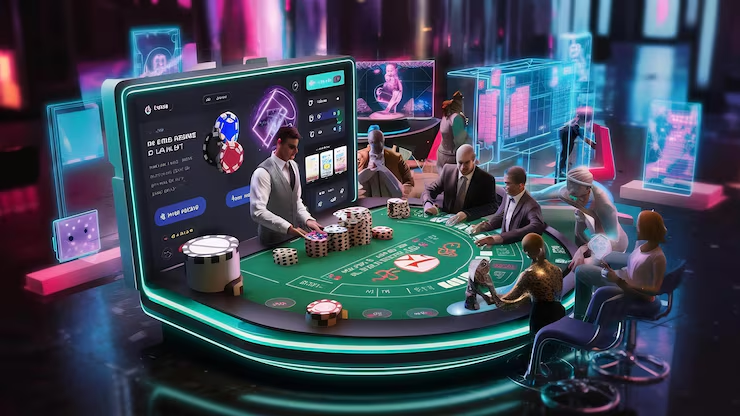
Online gaming has transformed dramatically over the past decade, moving from simple computer-generated games to interactive experiences that mirror real casino environments. This shift represents one of the most significant changes in digital entertainment, bringing authentic casino atmospheres directly to players’ homes.Live casino games have become particularly popular because they combine the convenience of online play with the social interaction of traditional gambling venues. Players can now engage with real dealers through high-definition video streams while participating in games like blackjack, roulette, and innovative game shows. The crazy time casino format exemplifies this trend, offering an entertaining mix of wheel spinning, bonus rounds, and interactive features that keep participants engaged throughout each session.
The technology behind these experiences relies on advanced streaming capabilities and multiple camera angles. Professional studios design elaborate sets that replicate casino floors, complete with branded tables, spinning wheels, and atmospheric lighting. Dealers receive specialized training to manage both the physical game elements and digital participant interactions simultaneously.Communication happens through live chat functions, allowing players to interact with dealers and sometimes with each other. This social component addresses one of the main criticisms of traditional online gaming, which often felt isolated and mechanical. The human element adds authenticity that random number generators cannot replicate.
Game mechanics have evolved to accommodate the live format while maintaining fair play standards. Multiple participants can join the same game session, with individual betting interfaces that prevent conflicts between different players’ strategies. The dealer manages the physical components like cards or wheels, while software handles bet processing, payout calculations, and game progression.
Quality control measures ensure stream stability and game integrity. Backup systems prevent technical disruptions that could affect game outcomes, while regulatory oversight maintains the same standards applied to physical casinos. Licensed operators must demonstrate that their random events, whether from card shuffles or wheel spins, meet statistical fairness requirements.Mobile compatibility has expanded access to these games significantly. Smartphones and tablets now support the same streaming quality and interactive features available on desktop computers. This mobility allows players to participate from various locations while maintaining the full gaming experience.
The variety of available games continues to expand beyond traditional casino offerings. Game show formats incorporate elements from television entertainment, including colorful presentations, exciting sound effects, and bonus rounds with multiplier opportunities. These innovations attract participants who might not be interested in conventional card or table games.
Payment processing has adapted to support the rapid pace of live gaming. Digital wallets and instant banking methods enable quick deposits and withdrawals, while session-based betting limits help players manage their spending effectively.
Security protocols protect both financial transactions and personal information. Encryption standards and secure servers ensure that sensitive data remains protected throughout the gaming session, while identity verification processes prevent underage access and fraudulent accounts.
The future of live casino gaming appears to be moving toward even more immersive experiences, with virtual reality integration and augmented reality features being tested by various developers. These technologies promise to create even more engaging environments while maintaining the human interaction that makes live gaming appealing to modern players.