
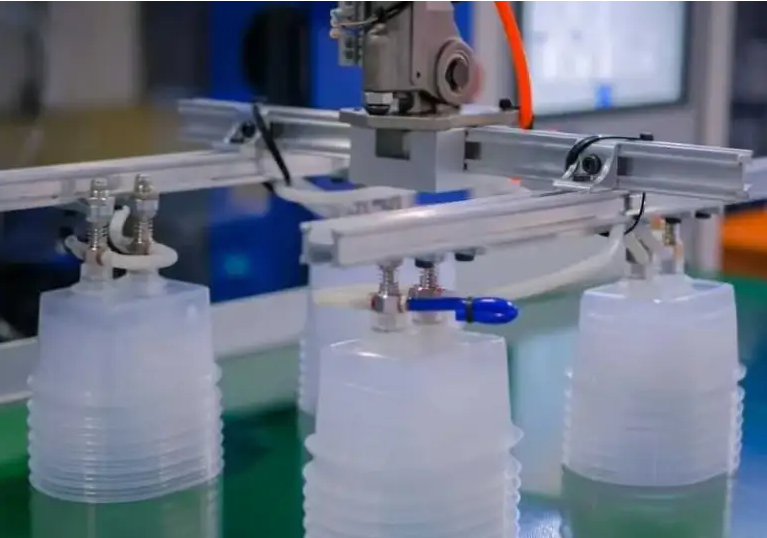
Thin wall injection molding has become a cornerstone of modern plastic manufacturing, particularly in industries demanding lightweight, high-precision, and cost-effective components.
From packaging and consumer electronics to automotive parts and medical devices, thin wall molding enables manufacturers to reduce material usage, shorten cycle times, and achieve complex designs.
Despite these advantages, producing thin wall parts presents unique technical challenges that require careful planning, advanced machinery, and precise process control.
Understanding Thin Wall Injection Molding
Thin wall injection molding refers to producing plastic parts with wall thicknesses typically below 1 mm, though in some high-performance applications it can be as thin as 0.3–0.5 mm.
The process relies on high-speed injection, elevated pressures, and precise thermal management to ensure that molten plastic completely fills the mold before cooling. Compared to conventional injection molding, thin wall molding imposes stricter requirements on machine capabilities, mold design, material selection, and process stability.
The primary goal of thin wall molding is to create lightweight components without sacrificing strength or precision. In packaging, this might mean producing a thin but rigid plastic container. In electronics, it enables slimmer casings for devices, and in automotive, it reduces part weight to improve fuel efficiency or battery range in electric vehicles.
Key Challenges in Thin Wall Injection Molding
1. Flow and Filling Issues
Thin walls create high flow resistance, making it difficult for molten plastic to reach all areas of the mold uniformly. This can result in short shots, sink marks, flow lines, or surface defects. Achieving complete mold filling requires extremely fast injection speeds and careful control of melt temperature to maintain adequate flowability.
2. High Injection Pressure Requirements
Because thin walls resist flow, the injection molding machine must deliver high pressures—sometimes exceeding those used for standard parts. This places stress on machine components and tooling, increasing the risk of wear, maintenance needs, or machine downtime if not properly managed.
3. Warpage and Dimensional Stability
Rapid cooling of thin walls can lead to uneven shrinkage, warpage, or internal stress, compromising the dimensional accuracy of the final part. Warpage is particularly challenging for parts with asymmetric geometries or long thin sections, requiring careful design and cooling management.
4. Material Limitations
Not all thermoplastics are suitable for thin wall molding. High-flow materials such as polypropylene (PP), polyethylene (PE), polystyrene (PS), and certain engineering plastics like ABS or polycarbonate are preferred. Materials with poor flowability may fail to fill thin sections completely or produce weak, brittle parts.
5. Complex Mold Design
Mold design for thin wall parts is far more demanding than conventional molding. Engineers must optimize gate locations, runner systems, venting, and cooling channels to ensure proper filling and consistent part quality. Even small errors can result in defective parts, reduced tool life, or production delays.
Effective Solutions for Thin Wall Injection Molding
Advanced Mold Flow Simulation
Using computer-aided mold flow analysis allows engineers to simulate filling, packing, and cooling behaviors before manufacturing the mold. This helps optimize wall thickness, gate placement, and cooling layouts, reducing the risk of defects and saving time during production.
High-Performance Injection Molding Machines
Modern electric or hybrid injection molding machines with fast response times, high injection speed, and precise pressure control are essential. Such machines enable consistent filling, minimize cycle times, and improve repeatability for high-volume production.
Material Selection and Optimization
Choosing the right plastic is critical. High-flow grades with low viscosity facilitate complete mold filling, while additives or reinforced materials can enhance strength, surface finish, and thermal stability. Manufacturers often conduct trial runs with different materials to identify the optimal solution for each design.
Temperature and Cooling Management
Maintaining a uniform mold temperature and efficient cooling system is key to reducing warpage and internal stress. Techniques such as conformal cooling channels or advanced cooling inserts allow heat to be removed evenly, improving dimensional stability and cycle efficiency.
Process Monitoring and Quality Control
Continuous monitoring of pressure, temperature, and cycle parameters ensures production consistency. Automated sensors and real-time feedback systems help detect deviations early, preventing defective parts and reducing scrap rates.
Applications and Benefits
Despite the technical challenges, thin wall injection molding provides significant advantages:
- Material and Cost Savings: Less plastic usage reduces production cost and environmental impact.
- Lightweight Designs: Ideal for packaging, electronics, and automotive components.
- Faster Cycle Times: Thin walls cool more quickly, increasing production throughput.
- Enhanced Product Aesthetics: Achieves smooth surfaces and precise geometries.
Industries such as food packaging, consumer electronics, automotive interiors, and medical device housings have widely adopted thin wall molding to achieve these benefits.
Conclusion
Thin wall injection molding is a highly specialized process that balances design innovation, manufacturing speed, and material efficiency.
The challenges—ranging from flow difficulties and high-pressure requirements to warpage and complex mold design—can be effectively managed through advanced simulation, high-performance machinery, optimal material selection, precise cooling, and robust process monitoring.
With these strategies, manufacturers can produce high-quality, cost-effective thin wall parts that meet the demanding standards of modern industries.
