
Introduction
In today’s fast-paced world, controlling noise and enhancing sound quality has become a priority for homes, offices, and entertainment spaces. One of the most effective and accessible ways to achieve this is through acoustic foam soundproofing. Often seen in recording studios or home theaters, acoustic foam is a versatile material designed to improve sound clarity, reduce echoes, and create a more pleasant acoustic environment. This article explores its properties, applications, benefits, and limitations, giving you a comprehensive understanding of how soundproofing foam can transform your space.
Understanding Acoustic Foam and Its Properties
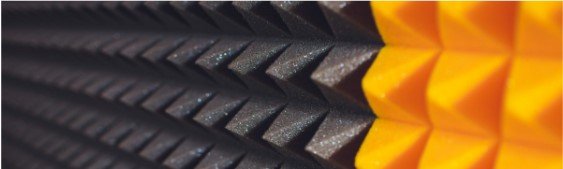
Acoustic foam is a specially designed material that absorbs sound waves, reducing reflections and improving acoustics within a room. Typically made from polyurethane or melamine foam, it comes in various shapes, including pyramids, wedges, and egg crates. These unique shapes are not just for aesthetics—they increase the surface area, allowing the foam to absorb more sound energy.
The density of acoustic foam plays a crucial role in its effectiveness. Higher-density foams can absorb a wider range of frequencies, though they may be slightly firmer to touch. Lower-density foams are softer but are generally more effective for mid- to high-frequency sound absorption. This versatility makes acoustic foam an ideal solution for various spaces, from professional studios to busy office environments.
How Acoustic Foam Soundproofing Works
Soundproofing foam works primarily through sound absorption. When sound waves hit the foam, the material captures the energy of the waves, reducing reflections and reverberations. This process makes the room acoustically “quieter” without necessarily blocking sound from entering or leaving the space.
Acoustic foam is particularly effective at absorbing mid- to high-frequency sounds, such as human speech or instrument tones. However, low-frequency sounds (like bass in music) are more challenging to control. For these, thicker foam panels or additional treatments such as bass traps may be necessary.
The shapes and patterns of foam panels—whether wedges, pyramids, or egg crates—maximize surface area, enabling more sound waves to be absorbed efficiently. By strategically placing panels around a room, you can significantly improve sound quality and reduce unwanted echoes.
Applications of Acoustic Foam
Recording Studios
Acoustic foam is a staple in professional and home recording studios. By reducing echoes and controlling reverberation, it allows for cleaner, more accurate recordings. Musicians, podcasters, and voice-over artists rely on acoustic foam soundproofing to create a controlled environment that captures true sound.
Home Theaters
For movie enthusiasts, soundproofing foam can transform a standard living room into a cinematic experience. By minimizing reflections and background noise, acoustic foam ensures dialogue clarity and enhances music or sound effects, making every movie or show more immersive.
Offices and Workspaces
Open-plan offices often struggle with noise distractions. Installing acoustic foam panels in strategic locations can significantly reduce ambient noise, improving concentration and communication. Employees experience a quieter environment, while conference calls and meetings become clearer.
Public Spaces
Restaurants, gyms, auditoriums, and lecture halls also benefit from acoustic foam soundproofing. By controlling noise levels and echoes, these spaces can maintain a comfortable acoustic environment, improving the overall experience for visitors.
Installation Tips for Acoustic Foam
Proper installation is essential for achieving the maximum benefits of acoustic foam soundproofing. Here are some tips:
- Coverage: Aim to cover at least 20-30% of the wall surface. While more coverage enhances absorption, even partial installation can significantly reduce echoes.
- Placement: Focus on first reflection points, corners, and areas where sound tends to concentrate. Corners, in particular, are ideal for placing thicker panels or bass traps.
- Adhesion: Use spray adhesive, double-sided tape, or mounting brackets to secure foam panels. Ensure the surface is clean and dry before application to prevent peeling.
These simple steps can optimize the foam’s performance, making your room acoustically balanced and visually appealing.
Benefits of Acoustic Foam Soundproofing
Investing in soundproofing foam comes with multiple advantages:
- Echo Reduction: Acoustic foam minimizes reflections, creating a clearer and more defined sound.
- Improved Audio Quality: Whether for music, speech, or multimedia, acoustic foam enhances audio fidelity.
- Noise Management: Reduces background noise in offices, public spaces, and home theaters.
- Versatility: Suitable for professional studios, residential spaces, and commercial settings.
- Cost-Effective: Acoustic foam offers an affordable way to improve acoustics without major construction work.
By addressing these acoustic challenges, foam panels contribute to a more enjoyable and functional environment.
Limitations of Acoustic Foam
While acoustic foam is highly effective in controlling sound within a room, it is important to note its limitations:
- Not True Soundproofing: Acoustic foam absorbs sound but does not prevent sound from entering or leaving a space. For comprehensive soundproofing, materials like mass-loaded vinyl, resilient channels, or additional drywall are required.
- Frequency Limitations: Standard foam panels are better at absorbing mid- to high-frequency sounds, whereas low-frequency sounds need thicker or specialized solutions.
- Maintenance and Durability: Foam panels require periodic dusting and careful handling to prevent damage from moisture or UV light exposure.
Understanding these limitations ensures realistic expectations and encourages combining acoustic foam with other soundproofing techniques for optimal results.
Maintenance of Acoustic Foam
To keep acoustic foam soundproofing effective and long-lasting:
- Regular Cleaning: Use a vacuum cleaner with a brush attachment or a soft-bristled brush to remove dust. Avoid water or harsh chemicals that could damage the foam.
- Protect from Moisture and UV: Prolonged exposure to moisture or direct sunlight can degrade the foam, so place panels away from windows or damp areas.
- Periodic Inspection: Check panels for wear or compression over time, replacing them if necessary to maintain acoustic performance.
Proper maintenance ensures that your investment in acoustic foam continues to deliver excellent results for years.
Conclusion
Acoustic foam soundproofing is a practical, versatile, and cost-effective solution for managing sound within a room. By reducing echoes, improving audio clarity, and minimizing noise distractions, it enhances both professional and personal spaces. While it is not a complete soundproofing solution, combining acoustic foam with other soundproofing materials can create an optimal acoustic environment.
Whether you are designing a recording studio, enhancing your home theater, or managing noise in an office or public space, acoustic foam is a valuable tool for creating a comfortable and controlled sound environment. For tailored solutions and expert advice, contacting professionals like Acoustafoam can help you select the right acoustic foam soundproofing products for your specific needs.
Investing in soundproofing foam is more than just an upgrade—it is an investment in better sound quality, comfort, and productivity. Don’t wait—enhance your space today and experience the difference that proper acoustic management can make.