
Introduction
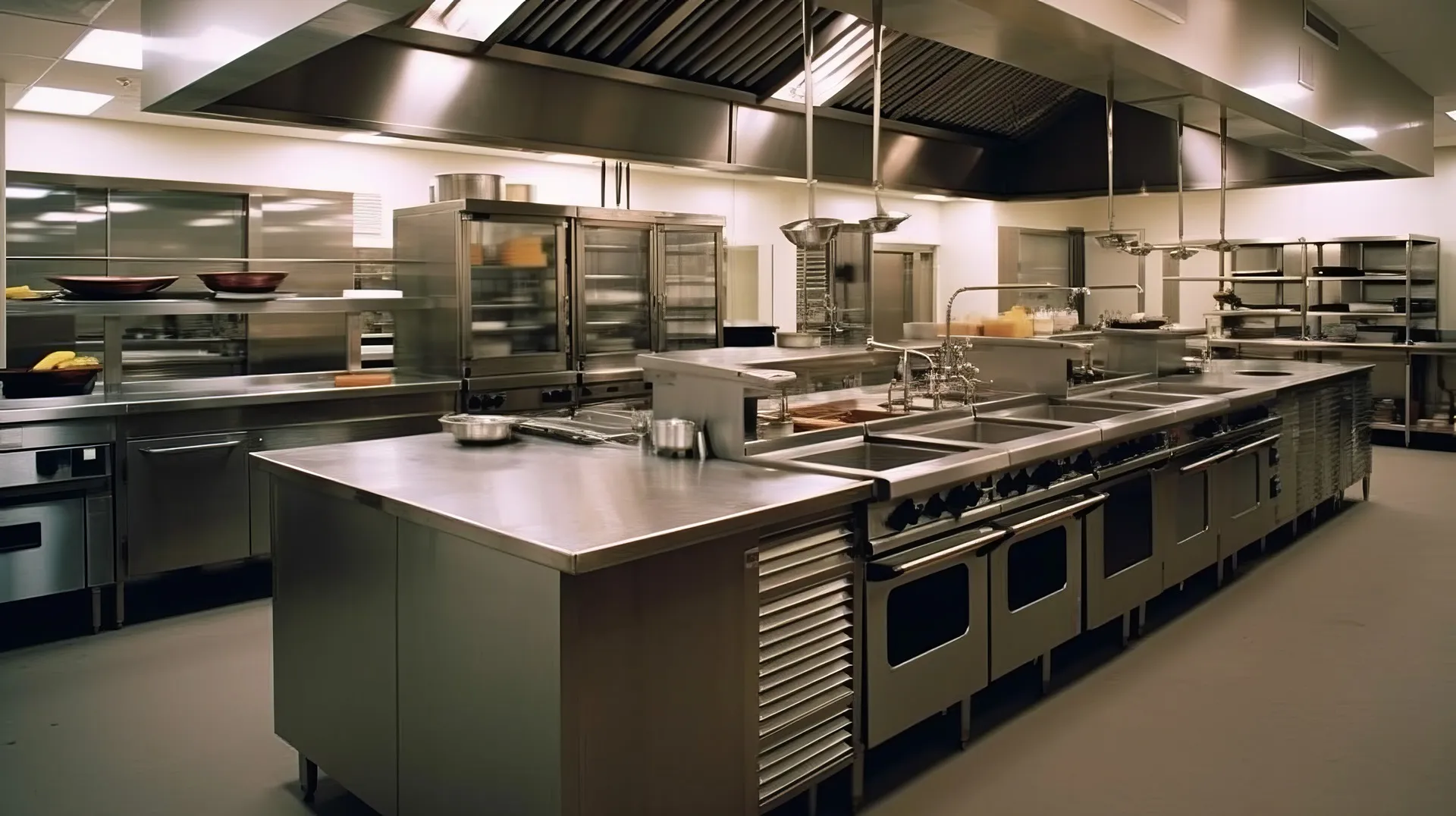
A successful food business depends on more than a good menu and talented chefs. Behind every smooth service is a well-organised kitchen equipped to handle daily demand. From preparing ingredients to cooking meals and cleaning utensils, every stage requires suitable equipment, sufficient working space and a layout that supports the team. Investing in the right commercial kitchen setup can help hospitality businesses improve productivity, maintain consistent food quality and deliver a better customer experience.
For restaurants, cafés, pubs, hotels and institutional kitchens, choosing reliable equipment is an important step towards long-term operational success. Careful planning also helps businesses avoid unnecessary purchases, reduce workflow problems and make better use of their available space.
Why Commercial Kitchen Planning Matters
A commercial kitchen must support the specific needs of the business using it. A small café preparing breakfast and light lunches will have different requirements from a busy restaurant serving several hundred meals a day. Similarly, a school kitchen may prioritise high-volume preparation, while a hotel needs equipment that can accommodate different menus and service periods.
Planning should begin with a clear understanding of the menu, expected customer numbers, staffing levels and available floor space. These details help determine the type, capacity and position of each appliance.
Businesses exploring Commercial Kitchens Telford can benefit from considering the complete working environment rather than purchasing individual appliances without a wider plan. A practical design should provide convenient preparation areas, suitable cooking facilities, effective storage and straightforward access to cleaning stations.
When each area has a clear purpose, staff can work more efficiently. Better organisation can also reduce unnecessary movement, helping the kitchen maintain a steady pace during busy services.
Choosing Catering Equipment That Suits Your Business
Commercial catering equipment must withstand regular use while delivering dependable performance. Selecting appliances based solely on their purchase price can lead to problems if they cannot meet the kitchen’s daily requirements.
Working with experienced Catering Equipment Suppliers Telford businesses can access equipment options suited to their premises, menu and expected workload. The right selection may include several essential categories.
Cooking Equipment for Consistent Results
Ovens, microwaves, steamers and other commercial cooking appliances support different preparation methods. The most suitable options depend on the menu, available space and number of meals prepared during each service.
For example, a restaurant with a varied menu may require flexible cooking facilities, while a catering operation producing large quantities of food may benefit from equipment designed for higher-volume preparation.
Before purchasing, consider capacity, ease of cleaning, operating requirements and how frequently each appliance will be used. Matching equipment to actual demand helps avoid paying for unnecessary capacity or struggling with appliances that are too small.
Refrigeration and Food Storage
Reliable refrigeration is essential for businesses handling fresh ingredients, chilled products and prepared food. Commercial fridges and refrigeration units should provide sufficient capacity without making ingredients difficult to organise or retrieve.
Storage planning is equally important. Staff should be able to access frequently used ingredients without obstructing preparation areas or interrupting other kitchen activities.
Businesses should also establish appropriate temperature-monitoring routines and follow applicable food safety requirements. Equipment selection, correct installation and regular maintenance all contribute to dependable refrigeration performance.
Dishwashing and Cleaning Facilities
Washing equipment has a direct effect on how quickly a kitchen can turn around plates, cookware and utensils. A suitable commercial dishwasher or glasswasher can help manage busy periods more efficiently than facilities designed for domestic use.
Capacity, cycle duration, available space and expected washing volumes should all influence the decision. The surrounding area must also provide practical space for loading, unloading and handling clean items.
An organised cleaning section helps staff maintain a more consistent workflow and reduces the risk of clean and dirty items becoming mixed during service.
Stainless Steel Preparation Areas
Stainless steel tables, sinks, cupboards and workstations are useful components of many commercial kitchens. They provide practical surfaces for preparation and can be selected to suit different tasks.
The positioning of these fixtures matters as much as their quality. Preparation tables should be close enough to relevant storage and cooking areas to limit unnecessary movement. Adequate worktop space also helps staff complete tasks without crowding one another.
Designing a Layout That Supports Faster Service
Even high-quality appliances cannot deliver their full value when they are poorly positioned. A kitchen layout should support the natural progression of food from storage and preparation through cooking, plating and cleaning.
A well-planned arrangement can help reduce congestion around busy workstations. It should also provide enough room for staff to move safely while carrying hot dishes, utensils and ingredients.
When developing a new kitchen or upgrading an existing one, consider the following principles:
-
Separate key activities: Allocate suitable areas for food preparation, cooking, washing and storage.
-
Reduce unnecessary movement: Position frequently used equipment near the tasks it supports.
-
Allow safe access: Maintain suitable clearance around appliances and working areas.
-
Plan for busy periods: Ensure the layout can accommodate the expected number of staff.
-
Consider future needs: Leave room for practical changes if the menu or business grows.
Businesses seeking professional support with Commercial Kitchens Telford can explore design and installation options that take these practical considerations into account.
The Importance of Professional Installation
Purchasing suitable equipment is only one part of creating an effective kitchen. Appliances must also be installed correctly and connected to the services they require.
Depending on the project, installation may involve electrical connections, plumbing, ventilation, extraction and adjustments to the surrounding workspace. These requirements should be considered before equipment is ordered to avoid problems during the fitting process.
Commercial extraction and ventilation deserve particular attention. Cooking processes can generate heat, steam, grease and odours, making an appropriately designed system important for the working environment. The system must suit the equipment, room and intended use, with relevant safety and regulatory requirements considered throughout the project.
Using experienced installation professionals can help businesses coordinate different elements of a kitchen project. It also provides an opportunity to check that equipment is positioned appropriately and ready for its intended operation.
Staff familiarisation is another useful consideration. Employees should understand how to operate appliances correctly, follow cleaning procedures and recognise issues that require professional attention.
Keeping Equipment Reliable Through Regular Maintenance
Unexpected equipment failure can disrupt food preparation, delay orders and place additional pressure on kitchen staff. A planned maintenance approach helps businesses identify potential problems before they develop into more serious operational issues.
Routine checks should reflect the equipment manufacturer’s guidance and the demands of the kitchen. Refrigeration units, cooking appliances, dishwashers and extraction systems may each require different inspection and servicing schedules.
Staff can support equipment care by keeping appliances clean, reporting unusual noises or performance changes, and avoiding operating practices that place unnecessary strain on machinery.
Professional servicing is particularly valuable when equipment develops faults or requires specialist inspection. Prompt attention can help prevent minor issues from becoming more disruptive breakdowns.
Businesses should also consider the availability of repair support when selecting equipment. Reliable after-sales assistance can make it easier to manage faults and plan replacements when necessary.
Managing Costs Without Compromising Performance
Budgeting for a commercial kitchen involves more than comparing initial purchase prices. Energy consumption, cleaning requirements, maintenance, expected lifespan and installation costs all influence the overall investment.
A cheaper appliance may not represent the best value if it struggles with the required workload or needs frequent repairs. Conversely, purchasing the largest available model does not automatically make sense if the kitchen rarely uses its full capacity.
A more practical approach is to prioritise equipment according to business needs. Essential appliances should receive attention first, followed by improvements that offer clear operational benefits.
It is also worth reviewing existing equipment before replacing an entire kitchen. Some appliances may remain suitable for continued use, while others may be inefficient, unreliable or poorly matched to current requirements.
Experienced suppliers can help businesses compare available options and identify a setup that balances performance, space and budget.
Finding the Right Support for Your Kitchen Project
Whether opening a new restaurant, renovating a café or improving a hotel kitchen, businesses benefit from working with a provider that understands equipment supply, design and installation as connected parts of the same project.
PP Catering Services provides commercial catering equipment, kitchen design and installation, ventilation and extraction solutions, as well as servicing and repairs. Its equipment range includes cooking appliances, refrigeration, dishwashing facilities and stainless steel fixtures for different commercial environments.
Businesses in Telford can discuss their requirements directly with the team to explore suitable options for new installations and existing kitchen improvements.
Conclusion
An efficient commercial kitchen brings together appropriate equipment, a practical layout, professional installation and consistent maintenance. Each element contributes to smoother daily operations, better use of available space and a more reliable working environment for catering staff.
By assessing actual business requirements before investing, hospitality operators can make informed decisions about equipment capacity, kitchen design and long-term running costs.