
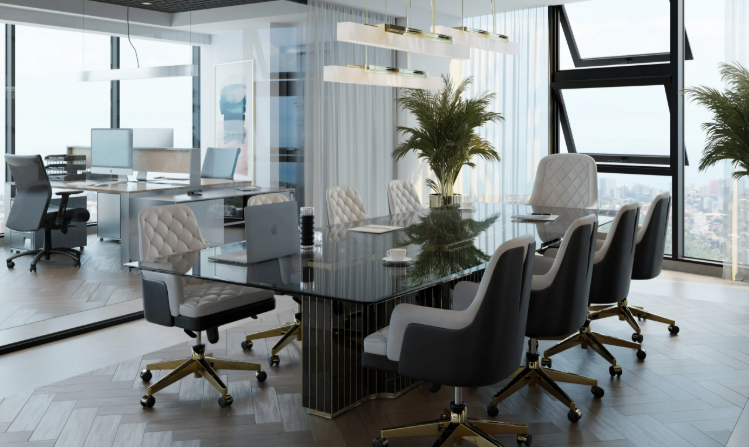
In recent years, lighting design in Indonesia has emerged as a pivotal element in shaping the aesthetics and functionality of luxury and commercial spaces. As the country experiences rapid urbanization and economic growth, the demand for innovative lighting solutions that enhance both ambiance and efficiency has never been greater. Designers and architects are increasingly recognizing that effective lighting design goes beyond mere illumination; it plays a crucial role in influencing mood, enhancing architectural features, and promoting sustainability. This article explores the top trends in lighting design that are currently transforming Indonesia’s luxury and commercial environments. From the incorporation of smart lighting technologies and energy-efficient solutions to the use of artisanal craftsmanship and culturally inspired designs, these trends reflect a broader commitment to creating spaces that are not only visually stunning but also environmentally responsible. As businesses and luxury establishments strive to provide memorable experiences for their clientele, understanding these emerging trends becomes essential. Join us as we delve into the innovative lighting strategies that are setting new standards in the Indonesian market, offering insights that can elevate any space into a beacon of luxury and sophistication.
– Innovative lighting solutions for luxury interiors in Indonesia.
The integration of innovative lighting design indonesia in luxury interiors across Indonesia exemplifies a sophisticated approach to enhancing ambiance and aesthetics. Designers are increasingly leveraging cutting-edge technologies such as smart lighting systems, which allow for customizable settings that adapt to the mood and functionality of a space. By utilizing energy-efficient LED fixtures paired with dynamic controls, these solutions not only highlight architectural features but also contribute to sustainability efforts, aligning with the growing demand for environmentally conscious design in the region.
Moreover, the use of artisanal and bespoke lighting fixtures reflects Indonesia’s rich cultural heritage, merging traditional craftsmanship with modern design principles. Customizable options, such as handcrafted pendant lights and sculptural floor lamps, create focal points that resonate with the luxurious appeal of high-end interiors. This harmonious blend of innovative technology and local artistry fosters an environment that is both visually striking and deeply rooted in the cultural context, making lighting design in Indonesia a vital aspect of luxury residential and commercial spaces.
– Sustainable design practices shaping Indonesia’s commercial lighting trends.
Sustainable design practices are increasingly influencing commercial lighting trends across Indonesia, as businesses seek to align their operations with environmentally responsible initiatives. By prioritizing energy efficiency and the use of renewable resources, many establishments are opting for LED lighting solutions that significantly reduce energy consumption while maintaining high performance and aesthetic appeal. These eco-friendly choices not only reduce operational costs but also enhance the overall brand image, appealing to a consumer base that is increasingly aware of sustainability issues.
Additionally, the incorporation of natural light into commercial spaces through innovative architectural designs is gaining traction. Large windows, skylights, and light wells are being utilized to maximize daylighting, which not only decreases reliance on artificial light but also creates a more inviting and healthful environment for employees and customers alike. This trend reflects a broader commitment to sustainable practices within Indonesia’s commercial sectors, demonstrating how thoughtful lighting design can directly contribute to both environmental stewardship and enhanced user experience.
– Smart technology integration in Indonesian lighting design.
The advancement of smart technology in lighting design is transforming the landscape of commercial spaces in Indonesia. By integrating smart lighting systems, businesses can achieve enhanced control over their lighting environments, allowing for tailored solutions that meet specific operational needs and preferences. These systems often include features such as automated dimming, motion sensors, and programmable schedules, enabling establishments to optimize energy usage without sacrificing ambiance or functionality. The result is a more efficient lighting design that supports the evolving demands of both luxury and commercial settings.
Moreover, the connectivity offered by smart technology facilitates seamless integration with broader building management systems. This interconnected approach not only enhances the user experience but also allows for real-time monitoring and analysis of lighting performance. As a result, businesses can make data-driven decisions that further improve energy efficiency and operational effectiveness. The adoption of such innovative technologies in lighting design is not only a reflection of modern aesthetics but also a strategic move towards creating more sustainable and responsive environments in Indonesia’s commercial sector.
In conclusion, the evolving landscape of lighting design in Indonesia showcases a remarkable fusion of innovation and tradition, particularly in luxury and commercial spaces. As designers increasingly prioritize sustainability, technology integration, and the creation of immersive experiences, we see a shift towards dynamic lighting solutions that not only enhance aesthetics but also promote functionality and energy efficiency. The trends highlighted in this discussion reflect a growing awareness of the pivotal role that lighting plays in shaping environments and influencing mood. As these trends continue to develop, they promise to redefine the standards of excellence in lighting design, ultimately enriching the spaces we inhabit and elevating the overall experience for users.