
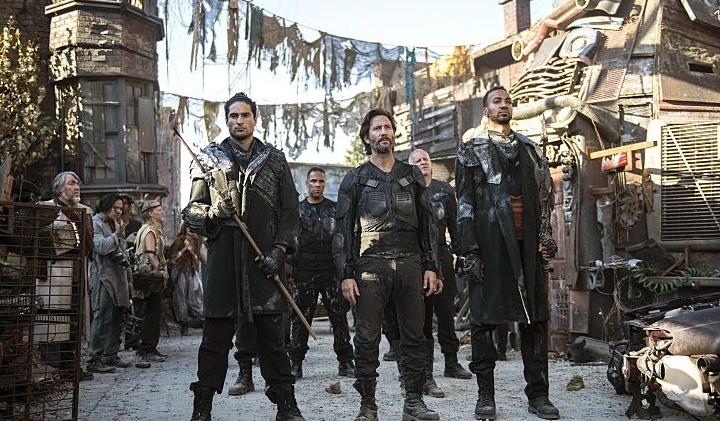
Many viewers take the clans as a decoration, but they play a leading role in the functioning. Clans in the 100 are organized to make decisions, alliances, and even survival strategies in a number of seasons. It is not an arbitrary grouping, but it has rules that are not necessarily discussed directly. When individuals refer to Clans of the 100, they tend to name them; however, this is incomplete because they do not focus on the functional aspects of these organizations. It is not so much about identities as it is about systems.
Clan Identity Is Built On Territory And Survival Needs
Every clan has its territory of operation, which defines its behavior and focus. The geography is very practical in terms of access to food, defense mechanisms, and movement patterns. The environmental adaptation is more than the culture, as seen in the formation of clans in the 100s. This is more evident when viewing clans. Of the 100, every group displays characteristics that are associated with their environment. And it is not symbolic; it is functional.
Leadership Within Clans Follows Strict Expectations
The leaders of the clans are not merely representatives of symbols; they are responsible for survival decisions. Their power lies in their ability to stay stable and use strategy, and their power lies in their strength. In The Clans, in the 100, the test of leadership is done on a continuous basis with both the internal and external challenges. By looking at Clans of the 100, one can observe the differences in leadership styles depending on the priorities of the clan. Others cherish power, and others concentrate on bargaining.
Alliances Are Temporary And Situation-Based
The alliances that clans make are only temporary. Teamwork is based on mutual interests and not on long-term trust. Clans in the 100 are organized in a way that alliances are easily changed under pressure. This pattern appears repeatedly when examining clans of the 100, where cooperation often ends once immediate threats are resolved. Stability is never guaranteed.
Conflict Between Clans Is Structured, Not Random
Conflicts follow certain patterns and expectations rather than happening without reason. There are rules, even if they are not always spoken clearly. In Clans, in the 100, conflict often serves a purpose related to territory, power, or survival. Understanding clans of the 100 helps explain why conflicts happen when they do. It is rarely accidental or meaningless.
Cultural Differences Influence Decision Making
Each clan develops its own cultural habits based on history and survival conditions. These habits affect how decisions are made during critical moments. The diversity within clans, the 100, creates different approaches to similar problems. When comparing clans of the 100, these cultural differences become easier to identify. They shape behavior more than individual personality alone.
Communication Between Clans Is Limited and Controlled
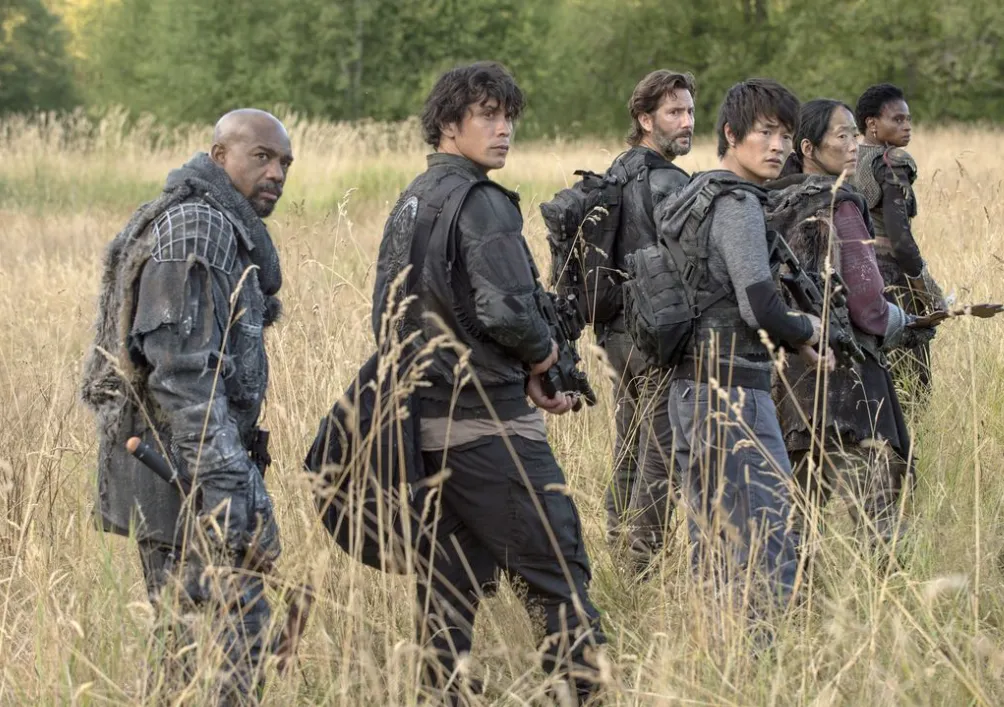
Clans do not share information freely, which creates misunderstandings and tension. Communication is often restricted to leaders or specific representatives. In Clans, in the 100, limited communication increases uncertainty between groups. This becomes clear when analyzing clans of the 100, where the lack of information leads to repeated conflicts. Transparency is not a common practice here.
Resource Access Defines Power Balance
Control over resources directly affects how powerful a clan becomes. Food, land, and safe spaces determine influence more than numbers alone. In clans of the 100, resource access shapes negotiations and conflict outcomes. Looking at Clans of the 100, you can track power shifts based on resource control rather than leadership changes alone. It is a practical system.
External Threats Force Temporary Unity
When facing larger threats, clans sometimes cooperate despite existing conflicts. This cooperation is usually short-term and focused on survival. The Structure of Clans The 100 allows for flexible responses to external pressure. Examples within Clans of the 100 show how unity appears briefly and disappears once danger passes. It is functional, not emotional.
Rules and traditions maintain order.
Clans follow traditions that help maintain structure and reduce chaos. These rules guide behavior during both conflict and cooperation. In the clans of the 100, traditions act as a form of control within each group. When reviewing Clans of the 100, these traditions explain why certain actions are accepted or rejected. They are not random customs.
Power Struggles Exist Inside Clans Too
Conflict is not limited to interactions between different clans; it also happens within them. Leadership challenges and internal disagreements create instability. In the 100 clans, internal conflict affects how clans respond to external threats. Looking at Clans of the 100, you can see how internal struggles weaken or strengthen groups over time. It depends on how they are managed.
Adaptation Is Necessary for Clan Survival
Clans that fail to adapt to changing conditions face a higher risk of collapse. Flexibility becomes a key factor in long-term survival. The system of clans, the 100, rewards those who adjust strategies quickly. Examples across Clans of the 100 show how adaptation leads to better outcomes compared to rigid behavior. Change is not optional here.
Boundaries Between Clans Are Not Always Clear
Territorial lines exist, but they are not always strictly defined or respected. This creates overlap and conflict in certain areas. In clans of the 100, unclear boundaries increase tension between neighboring groups. This issue appears repeatedly when examining Clans of the 100, especially in contested regions. It adds another layer of complexity.
Conclusion
The clan system is not just a background element; it shapes the entire structure of the story. Decisions, conflicts, and alliances all depend on how clans operate. The framework of Clans The 100 supports everything else happening in the series. Understanding clans of the 100 makes it easier to follow patterns and predict outcomes. It turns confusion into something more structured and clearer.
